Scissor vs. boom: the fast sort
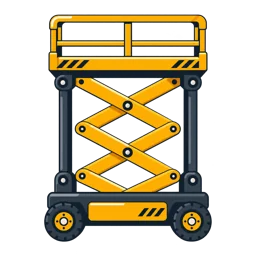
- Scissor lifts: Go straight up with larger, stable platforms when the base can sit below the work. Best on slabs or, with rough‑terrain models, compacted ground. See Electric Scissor Lift Rental and Rough Terrain Scissor Lift Rental.
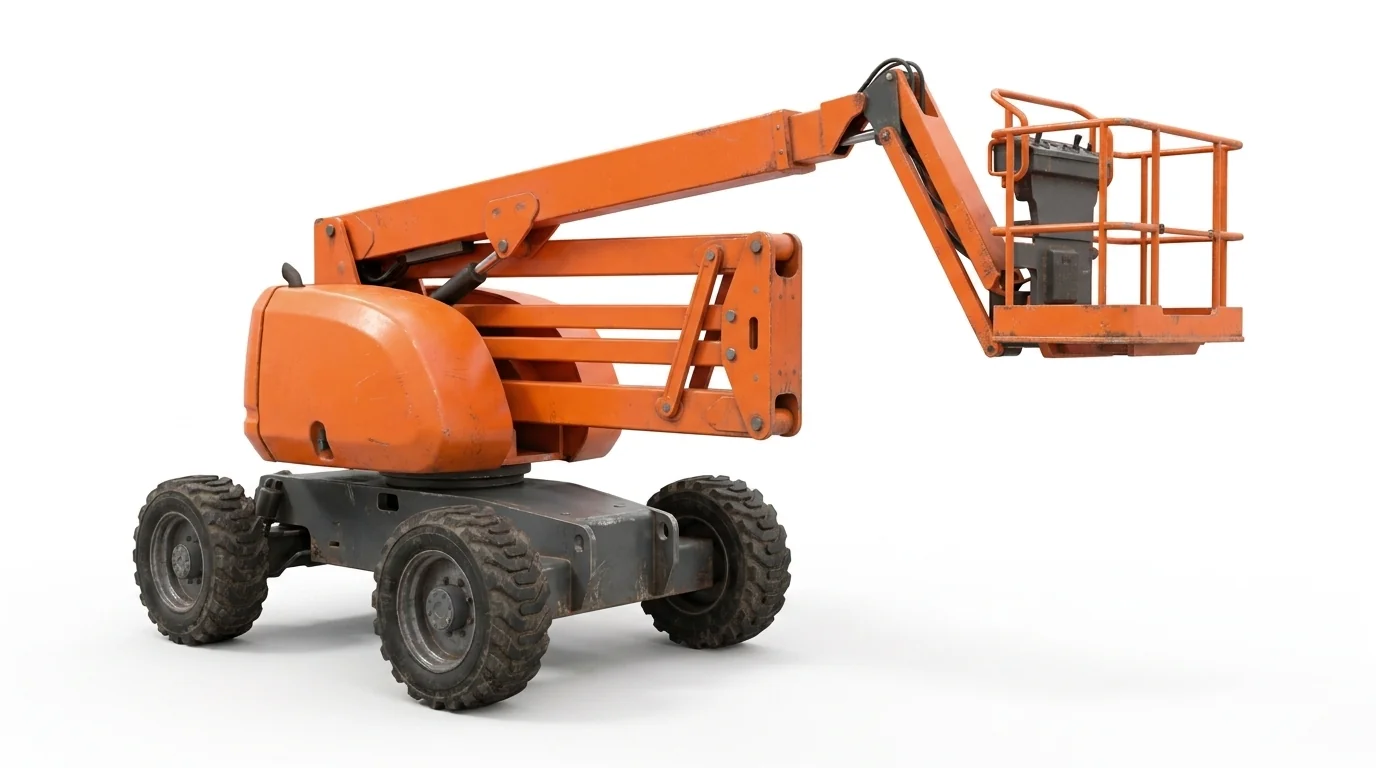
- Articulating booms: Up‑and‑over geometry to clear obstacles like piping, canopies, or façade projections.
- Telescopic booms: Longer straight outreach for steel erection and site lighting where set‑back distance is available.
Boise factors that change the comparison
- Interior sensitivity in industrial and healthcare spaces favors electric power and non‑marking tires.
- Large regional warehouses drive narrow‑aisle movement and long daily travel, shaping battery and width needs.
- Semi‑arid weather and elevation increase exposure on exterior decks; staging and wind screening at sites can limit where a machine can be placed.
Measurements that lock in a category
- Required platform height and any horizontal offset
- Narrowest doorway, aisle, or gate on the travel path
- Surface type from staging to work position
- Overhead obstructions like duct drops or conveyors
When the route is the constraint
If elevators, door frames, or mezzanine openings dictate dimensions, start with compact electric scissors or vertical masts. If set‑backs, landscaping, or utilities prevent close placement, review Boom Lift Rental for outreach solutions.
Site conditions, the selected unit’s instructions, and job procedures govern elevated work.