Match the machine to the ground and approach
- Surface: Aggregate base, clay, or rutted subgrade changes tire performance and sink potential.
- Slope: Stockpiles and cuts create grades between staging and the work face.
- Access width: Temporary fencing and material stacks may narrow paths.
If the base can’t sit directly below the task, compare boom options at Boom Lift Rental.
Boise climate factors outdoors
- Freeze‑thaw cycles can loosen top layers and create soft spots after morning warm‑up.
- High summer heat toughens surface crusts but may hide weak subgrade beneath.
- Prolonged UV exposure favors durable exterior finishes during multi‑month staging.
Platform height, capacity, and deck layout
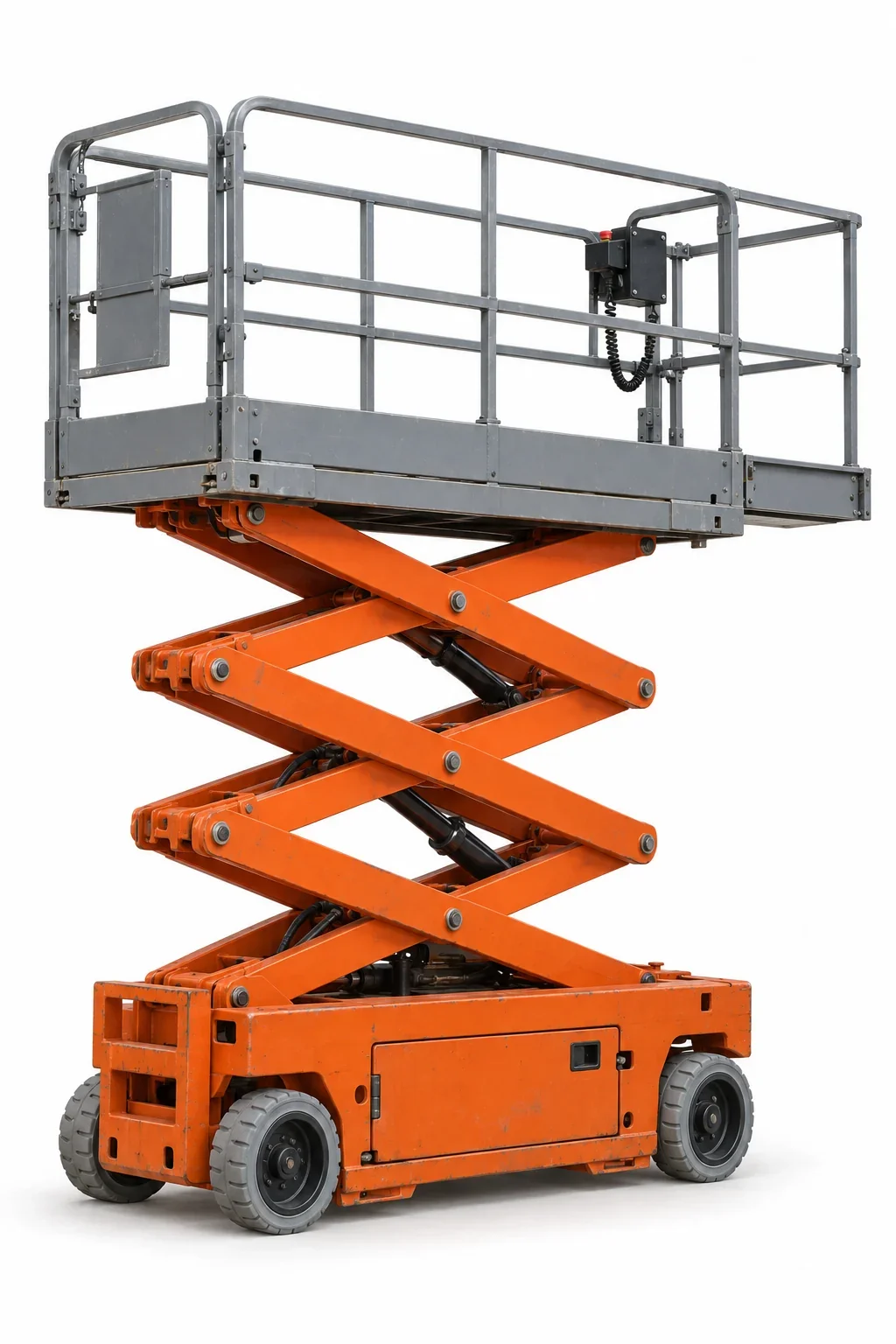
Select a platform height that reaches the task with clearance for tools. Larger rough‑terrain models often provide higher capacities and wider decks for multiple trades working along façades and structural bays. Guardrail‑to‑work distance should be minimized by positioning the base as close as conditions allow.
When a scissor isn’t the right geometry
Curtains, offsets, and overhangs on façades can push the work point away from the base. Articulating or telescopic booms provide horizontal reach; see Aerial Lift Rental or go to Boom Lift Rental.
Site conditions, the selected unit’s instructions, and job procedures govern elevated work.