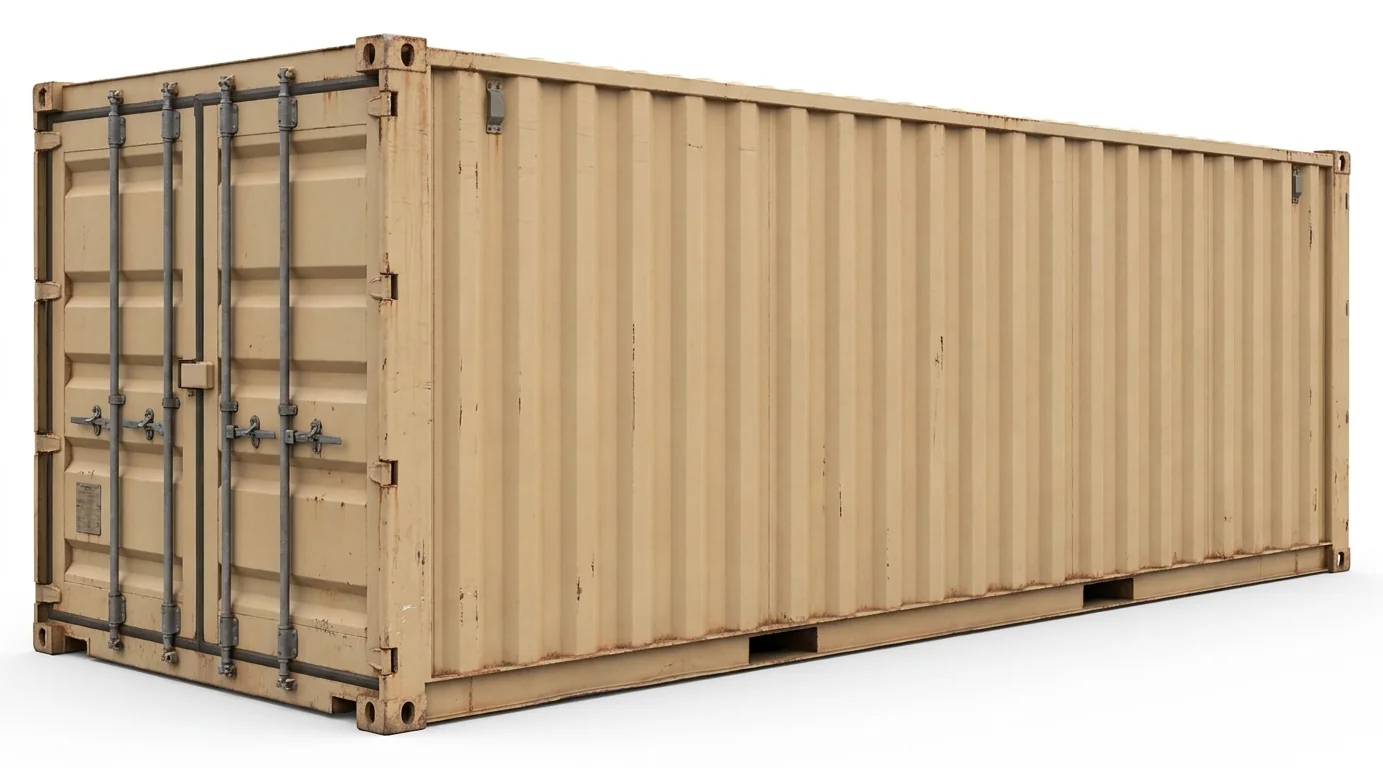
Containers on active industrial and healthcare builds in Boise often sit through hot, high-UV stretches, then cold nights that stress ground surfaces. Plan for where the box lands, how deliveries reach it, and what you’ll keep inside as the project moves from exterior work to interior finishes.
Where the container sits and how it gets there
Delivery approach: confirm street-to-pad turning radius, gate width, and any slope transitions. Tractor access differs between tight infill lots and open industrial sites.
Set-down surface: repeated freeze–thaw can leave the top layer soft or out of level. A firm, level pad reduces racking at doors and helps keep weather out.
Proximity to work: containers near loading areas speed turnover on logistics builds; interior build-outs may push storage to the perimeter to keep access routes open for lifts and material handlers.
Capacity, layout, and material sensitivity
Length and interior height dictate whether long stock, panel goods, or palletized materials fit without rehandling.
Temperature variability: finishes, adhesives, and electronics handle swings differently than rough materials. Separate climate-sensitive stock from general storage and plan retrieval order.
Security features: some locations around medical and high-tech work carry stricter site procedures; match hardware to the environment and any project rules.
Boise conditions that change container planning
UV and heat: exterior paint and seals face intense sun. Longer placements benefit from durable finishes.
Dust and wind: open pads near industrial corridors see fine dust; good door seals help keep interior cleaner for sensitive items.
Snowmelt and drainage: site grading that looks flat can pond after thaw cycles. Place doors clear of runoff paths.
Coordinating with access equipment
Fork routes: if pallets will be moved in and out, verify door clearance and turning space. See /forklift-rental/ for load and aisle considerations.
Elevated installs: staging near scissor or boom work should protect lift travel arcs and emergency routes. Compare options at /electric-scissor-lift-rental/, /rough-terrain-scissor-lift-rental/, and /boom-lift-rental/.
Material reach: for rooftop or mezzanine lifts, align container placement with pick points served by /telehandler-rental/.
Equipment questions
Questions about Boise planning
How close should a container be to an interior build area in Boise?
Close enough to reduce handling but far enough to keep lift travel lanes and fire access clear. In tight urban work, perimeter placement with defined fork routes balances speed and circulation.
Do temperature swings affect what I store?
Yes. Adhesives, finishes, and electronics are more sensitive to heat and cold than rough stock. Separate climate-sensitive items and plan retrieval so they move inside sooner.
What if the delivery pad is slightly out of level after a thaw?
Document the slope and surface condition before scheduling set-down. A firm, level landing helps doors operate smoothly and reduces racking over time.