Start with work geometry
- Can the machine sit below the task and reach up and over, or must it nose in close and reach sideways?
- How high is the final work point, and how far back is the obstacle from the machine’s outrigger or tire line?
- Is there a parapet, canopy, or line set that forces the jib to articulate at a specific height?
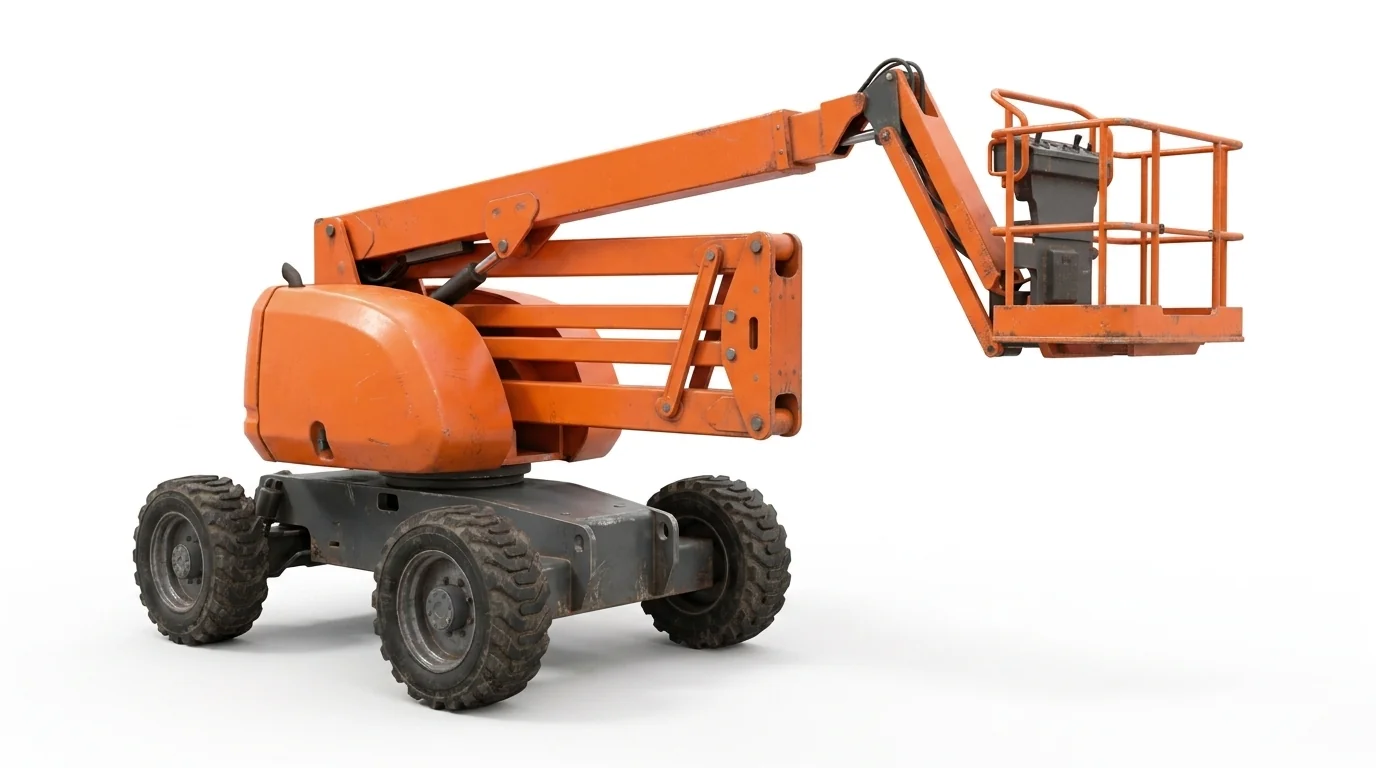
In local industrial sites and healthcare expansions, overhead congestion often requires a boom with multiple articulation points and a jib that can position precisely without drifting into sensitive areas.
Boise site conditions that change the choice
- Interior clean areas: Many local tech and advanced manufacturing buildings call for low‑emission, non‑marking electric units with tight tailswing and small wheelbases. Floor finish and slab rating matter more than raw height.
- Exterior winter setups: Freeze‑thaw cycles can loosen topsoil and create soft pockets around curbs and trench backfill. That pushes many exterior jobs to rough‑terrain articulating booms with foam‑filled or RT tires and higher ground clearance.
- UV and staging: Long outdoor staging under strong sun can age hoses, tires, and plastics. Plan for well‑maintained machines if the lift will sit on site between phases.
Measurements that narrow the size class
- Required platform height vs. horizontal reach beyond the obstruction.
- Minimum gate and aisle width for the approach route; note turning radii at corners and under mezzanines.
- Slab rating for indoor work areas and threshold transitions at dock doors.
- Setback distance from the obstacle if the ground near the building face is not suitable for a wheel path.
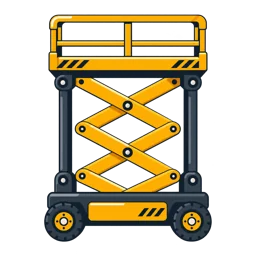
If the work is purely vertical without obstructions, a straight boom or a scissor may be simpler. For long interior runs at moderate height, consider an electric scissor. For open outdoor reaches, see telescopic booms or the broader boom lift overview.
Common Boise use cases
- MEP coordination above production lines in industrial buildings.
- Facade inspections where landscaping or loading docks block straight approaches.
- Retrofit tie‑ins around existing roof units at urban jobsites with limited set‑back.
Actual conditions, the selected unit’s instructions, and site procedures govern how and whether work proceeds at height.