Start with load shape, runtime, and where the unit sits
- Load shape: note steady draws (tools, fans, HVAC) versus short surges (motors, compressors). Generators are sized by continuous output and headroom for start-up currents.
- Runtime window: long evening pours or overnight security lighting point to larger tanks and fewer refuels. Short, high-output shifts may prioritize compact units you can reposition quickly.
- Placement: can the unit sit below the task, outside a building, or must it remain inside a ventilated space? Indoor power needs often favor electric distribution fed from an outdoor generator through a safe pass-through.
How the Boise environment affects the choice
- Elevation and dry air: engines work harder at higher elevations; reserve capacity helps maintain voltage under surge loads.
- Temperature swings: cold mornings can affect starting performance and fuel behavior; long, hot afternoons increase heat load on alternators and lighting heads.
- UV exposure and dust: outdoor units staged for weeks need durable enclosures and lighting masts that hold up to sun and fine dust common on industrial sites and distribution yards.
Generator planning details to collect
- Total running watts and largest single-start motor.
- Expected duty cycle: hours per day, days on site, and whether the load tapers overnight.
- Access route: doorway width/height, slab rating, and any ramps for rolling a skid or trailer unit into position.
- Noise sensitivity: hospital-adjacent and dense infill work often require quieter packages and thoughtful placement.
Light tower considerations for Boise jobs
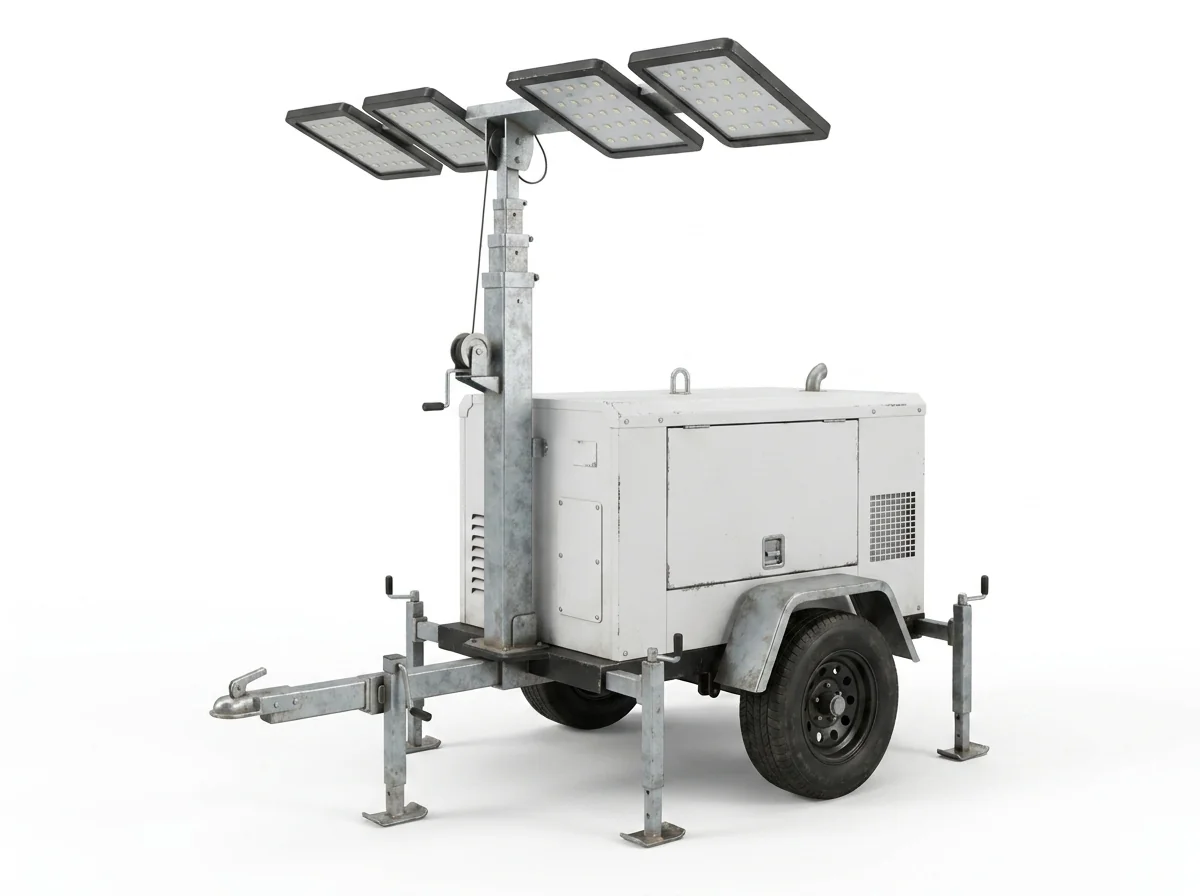
- Mast height versus throw: logistics yards and exterior staging often need wide, even illumination. Interior build-outs may rely on compact LED stands fed by a separate generator.
- Ground surface: freeze–thaw cycles can leave uneven gravel or soft top layers on work pads. Stable, level placement is essential; verify pad condition before choosing a wheeled trailer versus a compact, easily repositioned unit.
- Power pairing: decide whether lighting shares a generator with tools or runs on a dedicated source to avoid dimming during motor starts.
Integration with access equipment
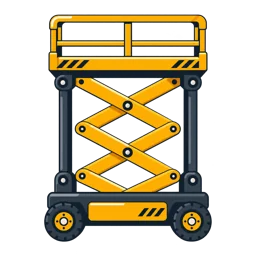
Night work around elevated tasks changes the equipment mix. Where lighting and power must serve scissor or boom tasks: - Verify clear swing paths around masts near lifts. See /aerial-lift-rental/ for general aerial access planning. - For indoor builds with sensitive finishes, pair electric slab lifts with quiet power outside the envelope. Compare lift types at /electric-scissor-lift-rental/ and /vertical-mast-lift-rental/. - Rough sites may bundle lighting with work at height on uneven ground; see /rough-terrain-scissor-lift-rental/ or /boom-lift-rental/.