Start with reach geometry and set‑back
- Measure horizontal offset from safe base position to the work point.
- Identify obstructions: canopies, conveyors, steel, and utilities.
- Confirm available set‑back distance and swing clearance around the base.
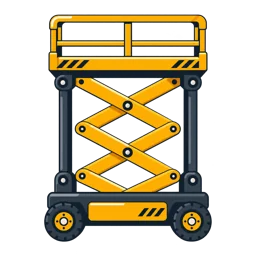
If the task sits straight overhead with close base placement, a scissor may be simpler; see Aerial Lift Rental.
Articulating vs. telescopic in Boise conditions
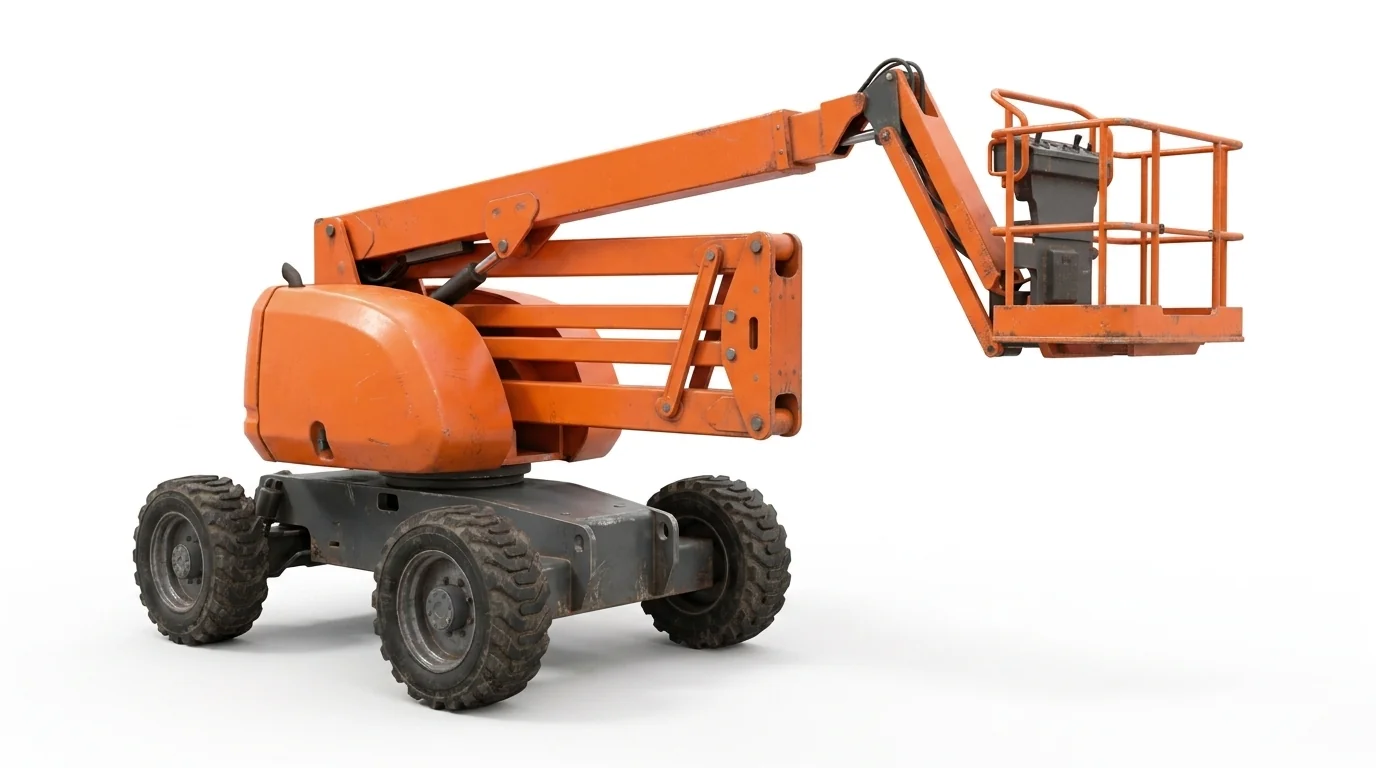
- Articulating booms: Multiple joints navigate around obstacles common in industrial and healthcare interiors or tight urban exteriors.
- Telescopic booms: Longer reach suits open sites around industrial expansions and distribution yards where set‑back is available.
Semi‑arid weather, elevation, and frequent temperature swings influence outdoor footing, tire selection, and exposure time aloft. Site wind management and ground preparation vary by project.
Power source and surface type
Interior or near‑finished zones favor electric or hybrid units with non‑marking tires. Unfinished exteriors and yards often need traction and ground clearance. Match tire and power to the travel path from staging to the work position.
Measurements that finalize selection
- Required platform height and outreach at that height
- Narrowest gate or corridor on the approach
- Turning radius and tail‑swing clearance near structures and parked equipment
Site conditions, the selected unit’s instructions, and job procedures govern elevated work.