Define the reach and setback
- Measure the horizontal distance from the nearest safe setup point to the work face.
- Confirm the top working height and required range of motion above it for tools or materials.
- Note any grade changes between staging and the final setup spot.
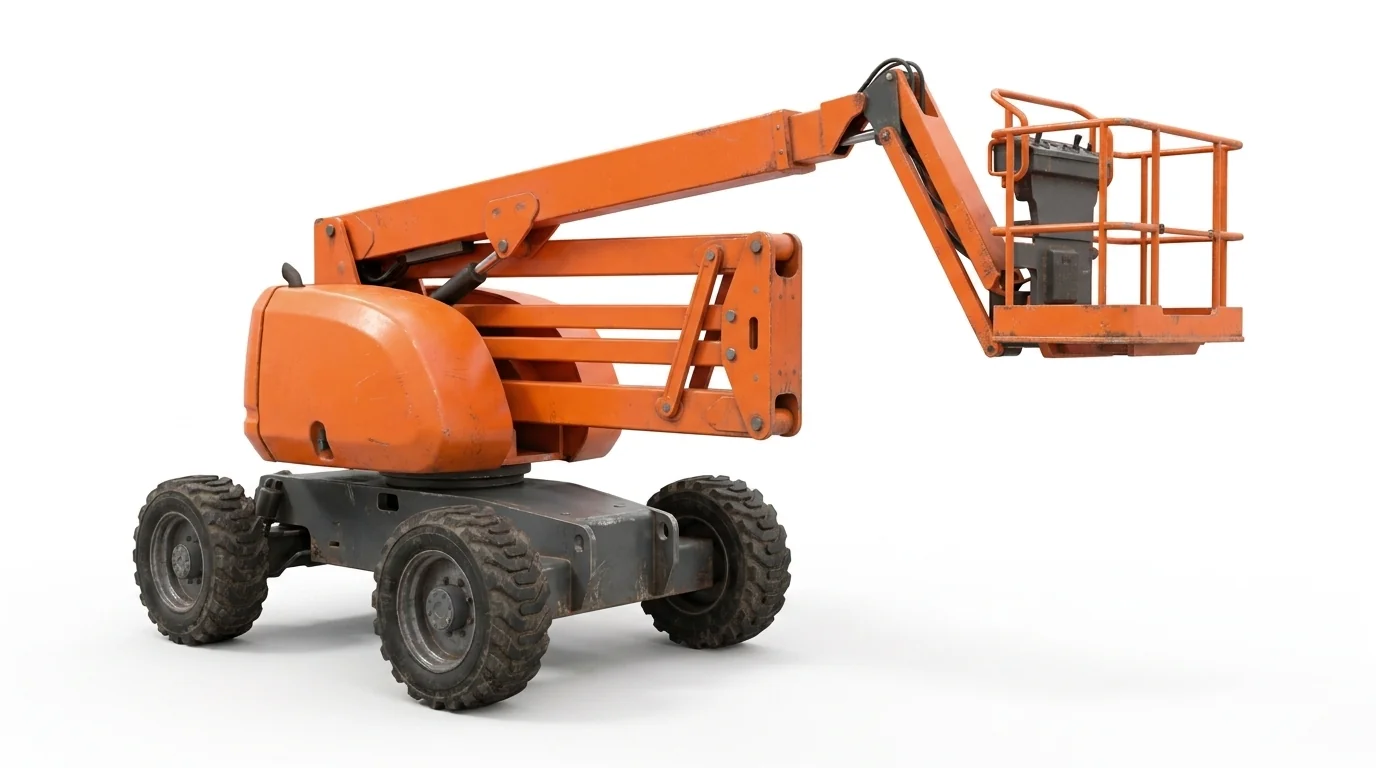
If an obstacle blocks the approach or you must reach behind a structure, an articulating boom is typically the better geometry.
Boise factors that change the class
- Exterior industrial sites and logistics yards often require long runs across compacted base. Seasonal freeze‑thaw can soften patched areas, so planning usually favors rough‑terrain packages where the surface supports the load path.
- Prolonged outdoor staging in strong sun places a premium on well‑kept hoses, wiring, and finishes. That matters on multi‑phase projects where lifts sit between erecting and trim work.
- Urban infill work near hospitals and dense cores can restrict swing radius and require careful setback planning away from sidewalks and dock edges.
Dimensions and constraints to collect
- Gate widths, turn radii, and any overhead restrictions along the travel path.
- Slab thickening zones near dock doors and ramps that could limit wheel placement.
- Platform capacity needed for tools versus maximizing reach; higher reach models may reduce capacity at full extension.
When a different category fits
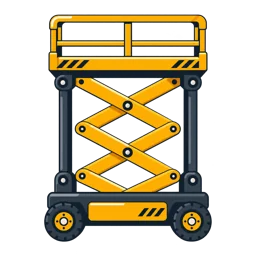
- Pure vertical indoor runs: see electric scissor lifts.
- Mixed approach with obstacles: see articulating booms.
- Material placement at height: a telehandler may set loads where a platform is not required.
Actual conditions, the selected unit’s instructions, and site procedures govern elevated work decisions.