Start with route and load profile
- Where do pallets originate and where do they land—dock, racking, or production floor?
- What are the heaviest pallets and their center of gravity?
- How narrow are aisles and how high is the top rack beam?
Boise factors that change the class
- Interior clean production and tech facilities usually prefer electric units with zero tailpipe emissions and non‑marking tires; confirm slab ratings and turning space at pinch points.
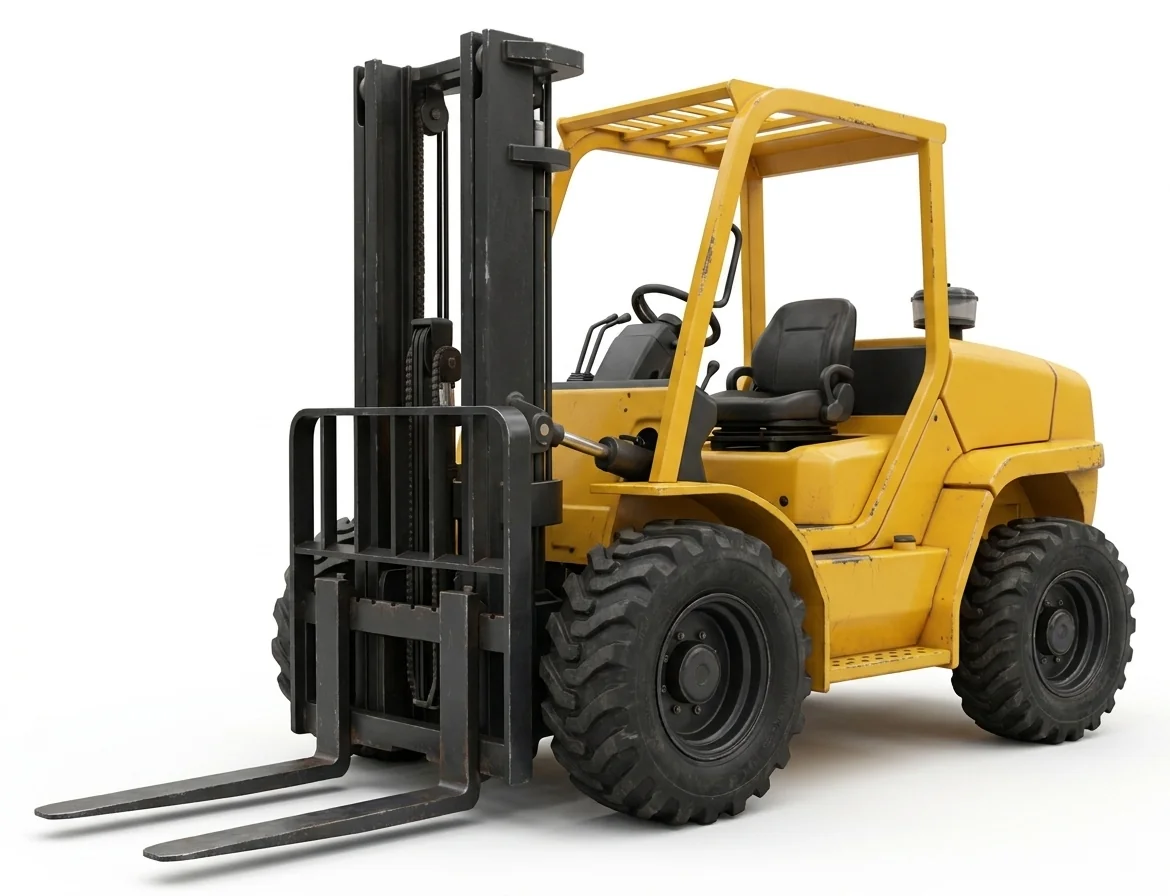
- Yard and cross‑dock work sees freeze‑thaw impacts around trench patches and curb lines. Pneumatic‑tire forklifts often handle these transitions better if the surface supports them.
- Strong sun on outdoor staging can affect tires and plastics over time, relevant for units parked outside between shifts.
Measurements that narrow choices
- Aisle width versus right‑angle stack clearance and load length.
- Door and dock opening heights, plus threshold changes and ramp grades.
- Battery charging or propane storage locations relative to the route.
Related categories
- High‑reach personnel tasks in racks: see vertical mast lifts.
- Elevated exterior access: see boom lifts.
- Temporary yard support: storage containers and temporary fencing.
Actual conditions, the selected unit’s instructions, and site procedures govern material handling and elevated tasks.